

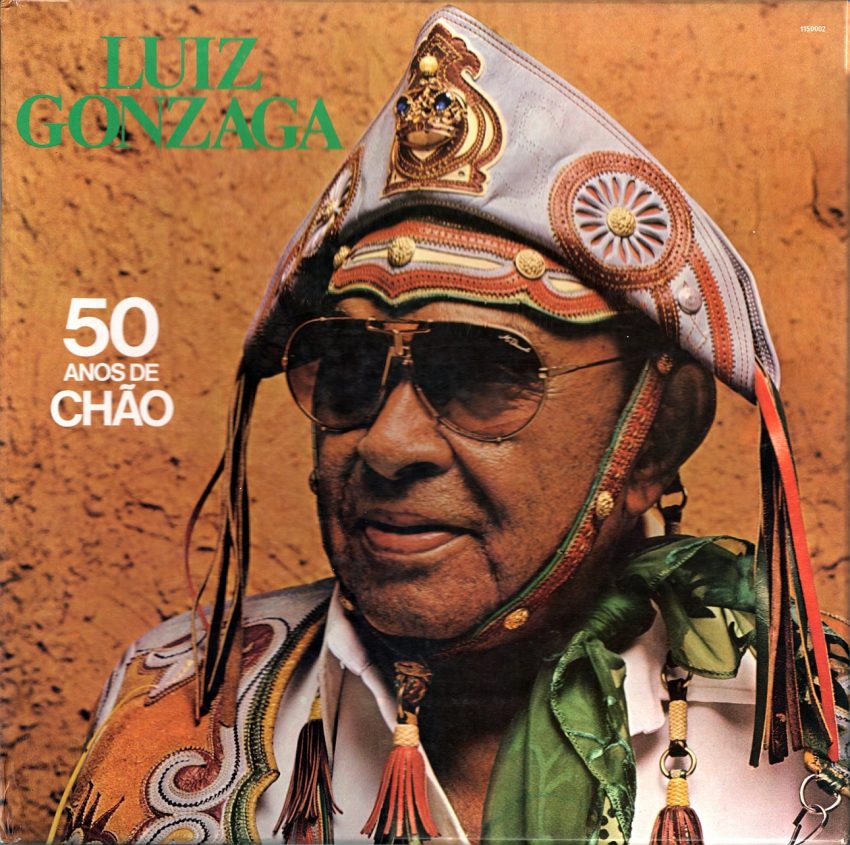
Luiz Gonzaga – 50 Anos de Chão
Vinyl rip in 24 bit 192 khz | Art at 300 dpi
6.44 GB 24-192 khz| 24 bit 96 khz – 3.3 GB
1987 RCA 1150002 (Brazil)
This is a 5 LP box set that chronicles the work of the great icon of Brazil’s Northeast, Luiz Gonzaga, the master 8-button accordionist and godfather of baião and forró. It includes all of his most famous songs, late-career collaborations with MPB artists, and importantly the original mono mixes of his early material.
Most or all of his classic records got subjected to the blasphemous “electronically re-channeled stereo” treatment of the 1970s, which became the most common reissues available before the release of this box set in the late 80’s (which would not make it to CD until 1996). I believe some of the individual CD reissues used mono mixes but I recall. I have a solid handful, I’m just too lazy to check after doing all the work on this box set. But it was actually a fellow enthusiast’s comment that inspired me to track down a copy of this box. I got lucky in finding a copy located in the U.S. for not a whole lot of money.
Regarding the ripping process: since a little more than 3-LPs worth of tunes on this set are mono, I used the mono fold-down feature in Click Repair in fully-manual mode, and then used stereo on the stereo tracks. There were one or two tracks that were almost certainly recorded in mono and then had reverb added at some point to give them “depth” or something like stereo imaging; I treated these as stereo tracks. There really wasn’t much to clean up on these since the records were in excellent condition (surface-wise). There’s just a lot of songs, 60 to be exact, clocking in at 3 hours of music.
I have not posted to this blog since late August 2025, nearly a full year ago. Like most of my life in the last few years, this post did not work out as planned.
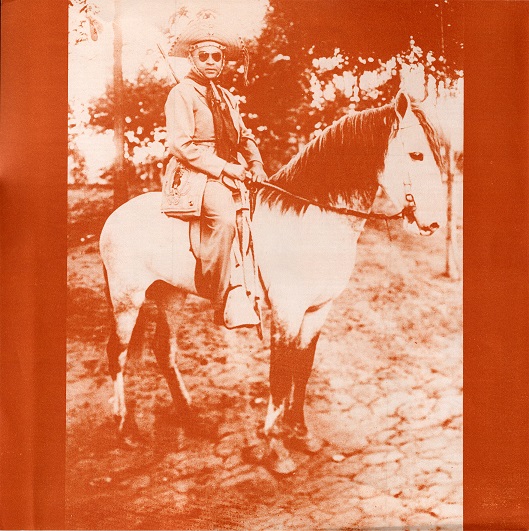
I began working on it this box set the intention of posting it here for the Festa Junina celebrations. If you happen to have ever been to the northeast of Brazil in the month of June, then you would doubtless have heard many of these songs being played by groups playing forró (both the traditional forró pé de serra style – a low-tuned tom drum, accordion, triangle (!), and sometimes other percussive or stringed instruments like cavaquinhos. In fact if you stayed there for thw whole month of June, you might not want to hear some of these songs again for the rest of the year. Hence why by the time July came around, my sense of urgency had passed about sharing this. Urgency, yeah…
Gonzaga’s two biggest songwriter partners – Humberto Teixeira and Zé Dantas – are represented in spades on this. His later work has less songs that stick in your head after those two were no longer in the mix. They’re eternal. I have put complete composer credits into the tags for these files.
There are only two clunkers on this collection for me. One is a collaboration with Elba Ramalho (Sanfoninha Choradeira) whose voice is like nails on a chalkboard to me, and the other is a soppy song written in homage to Pope John Paul II (Obrigado João Paulo, co-authored by an actual cleric). Both those songs are nestled together on the final side of the last LP anyway, so feel free to skip them and get this done in under 3 hours.
The other collaborations are all solid. There are two with his son Gonzaginha, and songs with Fagner, Gal Costa, and Milton Nascimento, although the latter is the most awkward effort as the former Mineiro choirboy’s angelic presence comes with a string arrangement that is uncharacteristic of Gonzaga’s brand of roots music. The whole box set concludes very deliberately in a collaboration with Dominguinhos, Luiz’s protege on the 8-button accordion who would bear the torch for decades after Gonzaga left this earthly plane. It is a bittersweet send-off, but also raises the question for me of why there wasn’t at least one more duet with him on this collection. Two songs from Gonzaguinha make sense because of the blood tie, but the musical bonds with Dominguinhos were much deeper: he had toured with Gonzaga off and on for years, worked as his arranger, and their partnership made him an heir apparent. Arguably, as a kind of ‘adopted’ son Dominguinhos may have been closer to Gonzagão than Gonzaguinha for a time, as their differences over the 1964 dictatorship strained their relationship.
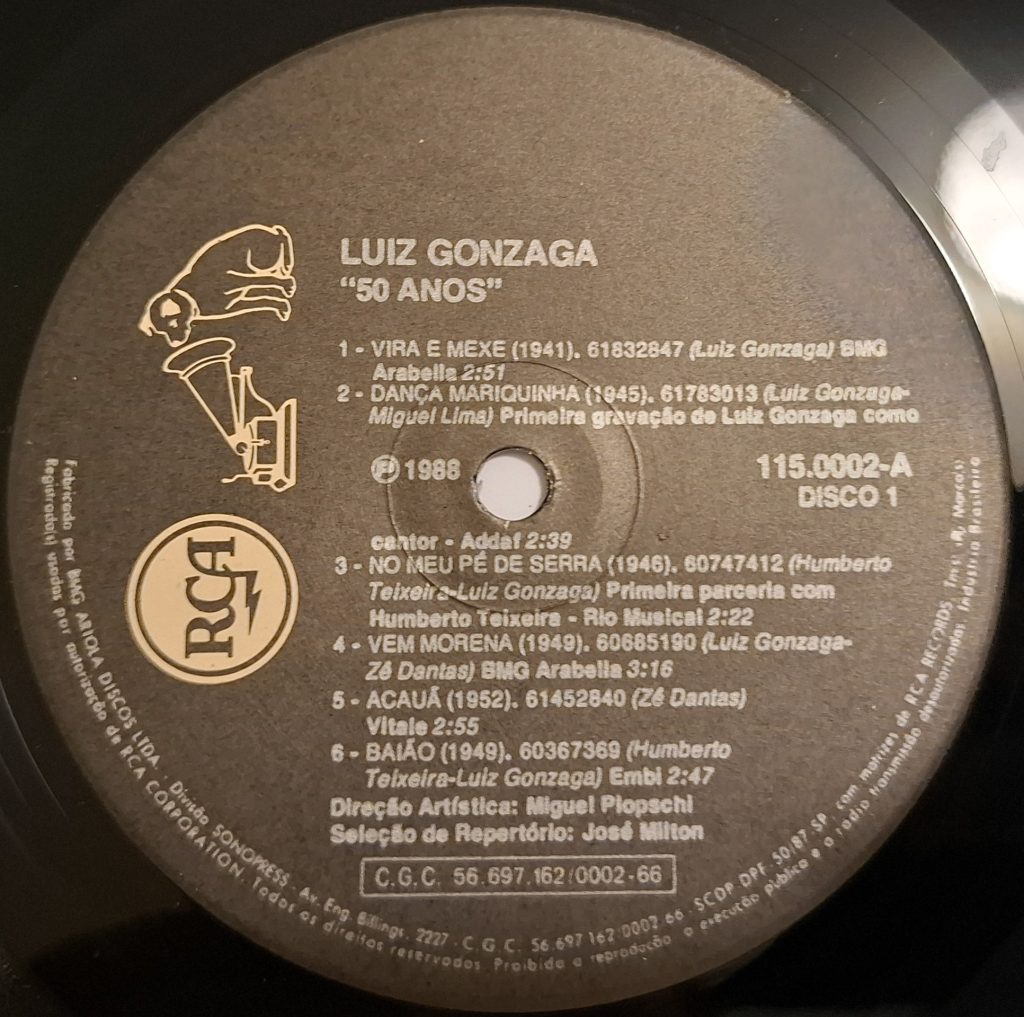
And although Gonzaga’s work and influence was already getting an injection of energy and attention during in the 60s when the Nordeste became more politically and culturally visible (and some might say fashionable) throughout Brazilian society, it’s really Dominguinhos who became the physical “tradition bearer” link between Gonzaga’s modernist revival of rural northeastern dance music and folk ballads, and the chart-topping crowd of post-Tropicália MPB stars. Dominguinhos became a crucial figure in that scene, quietly working as an instrumentalist, arranger, musical director, and collaborator with the likes of Gal Costa and Gilberto Gil. Although he had released records under his own name since the mid-60s on smaller labels, his “mainstream” breakthrough into MPB was really Gal’s India album and tour, after which he became very in-demand and appeared on records ranging from Luiz Melodia to… Fafá de Belem. Gil’s Refazenda album is very notable and, along with India, is the record that really blew my mind and put him on my radar way back when I first fell in love with Brazilian music. In a way, it was probably Dominguinhos who led me to paying serious close attention to Luiz Gonzaga in my own musical excavations. Which must be while I have digressed for two paragraphs talking about him on this box set of his mentor.
Hmm, this kind of undisciplined meandering almost reminds me of the old days of Flabbergasted Vibes, before algorithms and AI slop social media posts made blogs like this obsolete.
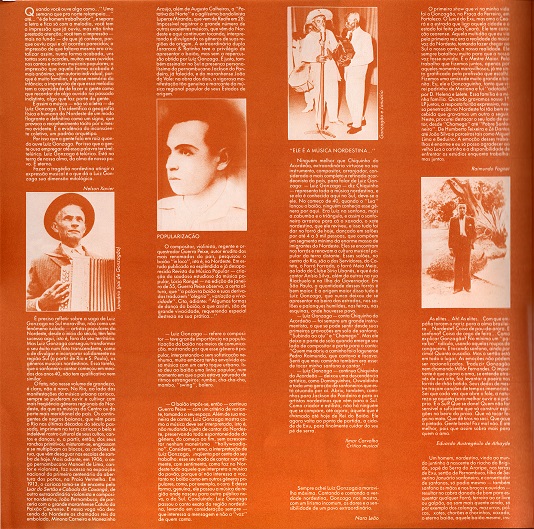
The 4-page insert includes liner notes with contributions from a handful of critics, intellectuals, and artists: Nelson Xavier, Ilmar Carvalho, Nara Leão (just a blurb), Fagner, Eduardo Austregésilo de Athayde, Ivan Cavalcanti Proença, and Fernando Lobo.
This is a massive box set of the icon of Nordestino culture and music, Luiz Gonzaga. In addition to presenting a pretty thorough and thoroughly enjoyable cross-section of his long career, it also contains the original mono mixes of his core body of work. The majority of that material was reissued from the 1970’s onward in “electronically rechanneled stereo,” which if you don’t know was an accepted practice for butchering recordings back in the day. Frequency filtering and other tricks would be applied to artificially separate instruments into a weird sound stage to serve the delusion that stereo was intrinsically everyone’s preference. These were not actual remixes, just studio smoke and mirrors, and it was done without any input from artists or most of the time even anyone connected to the original recordings. João Gilberto, for example, was fighting to scrub the world of the lousy ‘fake stereo’ version of his early recordings up until the day he died, if I’m not mistaken.


p/w: vibes

Thanks bro!
I visit your blog every month waiting for the next album!!
Please, keep it going 👍🏻👍🏻👍🏻
Obrigado camarada, seu trabalho é muito incrível!
Saudações de João Pessoa/PB, Brasil.